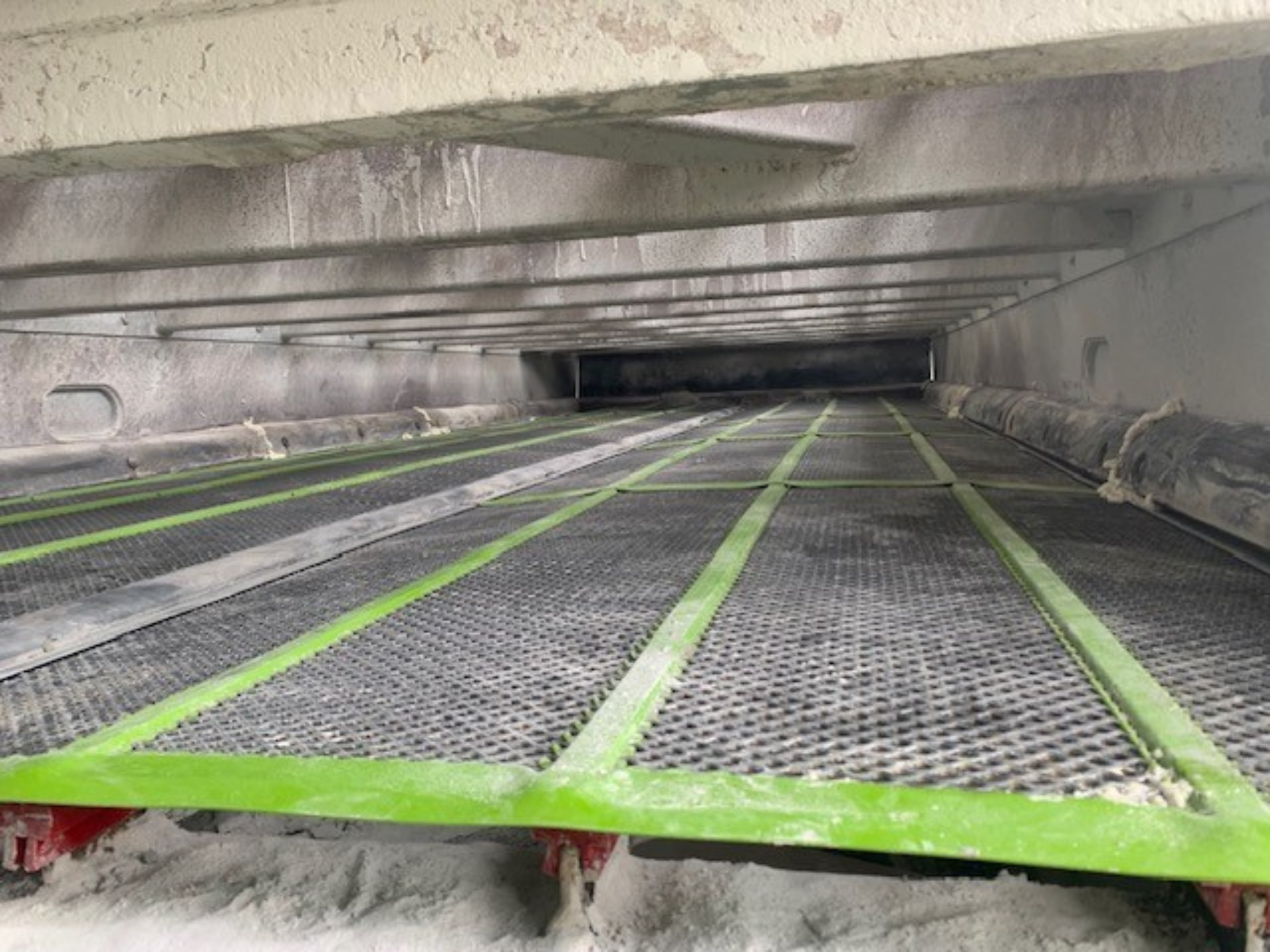
Why Material Flow Is the Most Overlooked Part of an Aggregate Plant
Every aggregate operation focuses on the obvious pieces of equipment—the crusher, the screen, the conveyor, or the wash plant. While these machines are essential, there’s another factor that often has an even greater impact on production:
Material Flow.
Even the highest-quality equipment can’t perform at its best if material isn’t moving efficiently through the plant. Poor flow creates bottlenecks, increases wear, causes unnecessary downtime, and ultimately reduces profitability.
At Process Machinery Inc. (PMI), we’ve seen firsthand how optimizing material flow can significantly improve plant performance without requiring a complete plant overhaul.
What Is Material Flow?
Material flow is the movement of rock from the moment it enters your plant until the finished product reaches stockpile.
Every transfer point, conveyor, chute, surge pile, feeder, crusher, and screen plays a role in keeping material moving efficiently.
When one area slows down, the entire operation feels the impact.
Think of your aggregate plant like traffic on a highway. Even if every lane is open except one, congestion quickly develops. The same thing happens in processing plants.
Signs Your Plant May Have a Material Flow Problem
Many operations assume they have an equipment problem when the real issue lies in how material moves through the system.
Some common warning signs include:
- Frequent plugging at transfer points
- Uneven crusher feed
- Screen overloads
- Material spilling from conveyors
- Excessive wear liners
- Reduced tons per hour
- Operators constantly adjusting equipment
- Inconsistent finished product
These issues rarely happen in isolation. One restriction often creates a chain reaction throughout the entire plant.
Common Bottlenecks
Poor Transfer Point Design
Transfer points should guide material—not fight it.
Poor chute angles or inadequate liners can cause material buildup, blockages, excessive dust, and unnecessary wear.
Uneven Crusher Feed
Crushers perform best when they receive a consistent feed.
Large surges followed by starvation reduce production, increase wear, and can affect product consistency.
Proper feeders and surge capacity help maintain steady operation.
Conveyor Capacity
Sometimes the crusher isn’t the limiting factor.
An undersized conveyor or improper belt speed may be restricting overall plant production.
Improving downstream capacity often unlocks additional tons per hour.
Screening Efficiency
Overloaded screens reduce separation efficiency and can force material back through the circuit unnecessarily.
Proper sizing and feed distribution are critical for maximizing screening performance.
Why Material Flow Matters
Improving material flow doesn’t just increase production.
It also helps:
- Increase plant uptime
- Reduce maintenance costs
- Extend equipment life
- Improve product consistency
- Reduce energy consumption
- Improve worker safety
- Lower operating costs
Sometimes relatively small design improvements can produce measurable gains across the entire operation.
Every Plant Is Different
No two aggregate operations are exactly alike.
Material characteristics, production goals, available space, and equipment all influence how a plant should be designed.
That’s why successful operations take a systems approach rather than focusing on one machine at a time.
At PMI, we evaluate how every component works together to maximize efficiency from the primary feed all the way to the stockpile.
The PMI Difference
Process Machinery Inc. has been helping aggregate producers optimize material processing systems for decades.
Whether you’re planning a new plant, expanding production, or looking to eliminate bottlenecks, our experienced engineering and sales teams can help identify opportunities to improve material flow and maximize uptime.
Sometimes the biggest gains don’t come from replacing equipment—they come from helping your existing equipment work together more efficiently.
Ready to Improve Your Plant?
If your operation is experiencing bottlenecks, excessive wear, or inconsistent production, our team is here to help.
Contact Process Machinery Inc. to discuss your operation and discover how optimizing material flow can improve performance, increase production, and reduce operating costs.
📞 1-800-860-1523
📧 sales@emailpmi.com